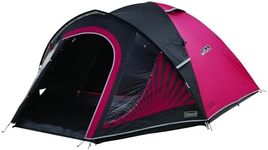
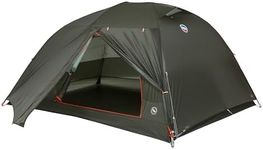
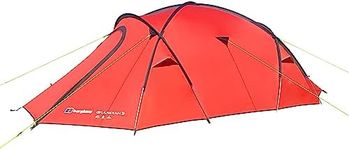
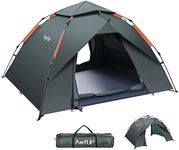
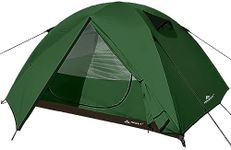
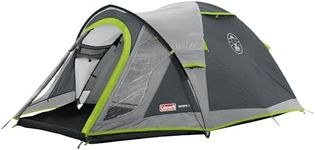
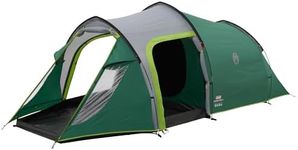
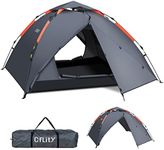
Buying Guide for the Best 3 Man Tents
Choosing the right 3-man tent involves considering several key factors to ensure it meets your needs for comfort, durability, and convenience. Whether you're planning a weekend camping trip or a longer outdoor adventure, understanding these specifications will help you make an informed decision. Here are the key specs to consider when selecting a 3-man tent and how to navigate them.WeightWeight is a crucial factor, especially if you plan to carry the tent over long distances. Lightweight tents are easier to transport but may compromise on durability and space. Heavier tents are more robust and spacious but can be cumbersome to carry. If you're backpacking, aim for a tent that weighs around 4-6 pounds. For car camping, weight is less of an issue, so you can opt for a sturdier, heavier tent.
Season RatingSeason rating indicates the tent's suitability for different weather conditions. A 3-season tent is designed for spring, summer, and fall, offering good ventilation and protection against rain and wind. A 4-season tent is built for harsher conditions, including snow and strong winds, but may be heavier and less ventilated. Choose a 3-season tent for general camping and a 4-season tent if you plan to camp in extreme weather.
MaterialThe material of the tent affects its durability, weight, and weather resistance. Common materials include nylon and polyester, with nylon being lighter and more durable but often more expensive. Polyester is more affordable and UV-resistant but can be heavier. For frequent use and rough conditions, opt for high-quality nylon. For occasional use in mild conditions, polyester is a good choice.
WaterproofingWaterproofing is essential to keep you dry during rain. Look for tents with a high hydrostatic head rating (measured in millimeters), which indicates the water resistance of the fabric. A rating of 1500mm to 3000mm is suitable for most conditions. Additionally, check for features like taped seams and a rainfly for extra protection. If you expect heavy rain, go for a higher rating and additional waterproof features.
VentilationGood ventilation prevents condensation inside the tent, ensuring a comfortable sleeping environment. Look for tents with multiple mesh windows, vents, and a breathable inner tent. For warm weather camping, prioritize tents with ample ventilation. In colder conditions, ensure the tent has adjustable vents to balance airflow and warmth.
SetupThe ease of setup can make a big difference, especially if you're setting up camp in adverse conditions or after a long day. Freestanding tents are generally easier to pitch and move around. Look for color-coded poles and clips for straightforward assembly. If you value convenience, choose a tent with a simple and quick setup process.
Space and ComfortSpace and comfort are determined by the tent's dimensions and layout. Ensure the tent provides enough room for three people to sleep comfortably, along with space for gear. Check the tent's peak height for headroom and vestibule space for storing equipment. If you prioritize comfort, opt for a tent with generous dimensions and additional storage areas.
DurabilityDurability is influenced by the tent's materials and construction quality. Look for reinforced stitching, strong zippers, and robust pole materials like aluminum. For frequent use or harsh conditions, invest in a tent with high durability. For occasional, fair-weather camping, a less rugged tent may suffice.