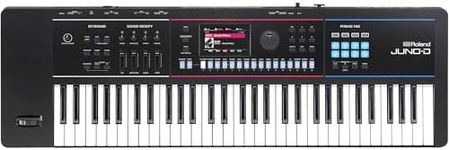
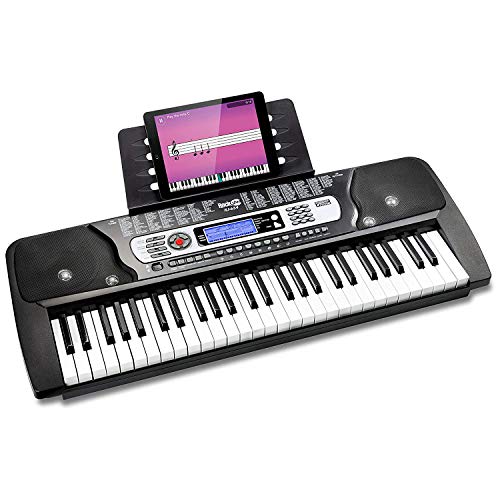
Buying Guide for the Best 61 Key Piano Keyboard
Choosing a 61-key piano keyboard can be a great option for beginners, hobbyists, or those with limited space. These keyboards are portable, versatile, and often come with a range of features that can enhance your playing experience. When selecting the right keyboard for you, consider your skill level, the type of music you want to play, and any additional features that might be important for your learning or performance needs.Key ActionKey action refers to how the keys feel when you press them. This is important because it affects your playing experience and can influence your technique. Keyboards can have weighted, semi-weighted, or unweighted keys. Weighted keys mimic the feel of an acoustic piano and are ideal for those who want a more authentic playing experience. Semi-weighted keys offer a balance between the two, providing some resistance but not as much as fully weighted keys. Unweighted keys are lighter and easier to press, which can be suitable for beginners or those who play non-piano sounds. Consider your playing style and whether you want to develop skills that translate to an acoustic piano.
Sound QualitySound quality is crucial as it determines how realistic and pleasing the keyboard sounds. This is influenced by the quality of the samples used and the sound engine of the keyboard. Higher-end models often have better sound quality with more realistic piano tones. If you're a beginner, you might not need the highest sound quality, but if you're more advanced or plan to perform, investing in better sound quality can be beneficial. Listen to demos or try the keyboard in person to ensure the sound meets your expectations.
PolyphonyPolyphony refers to the number of notes a keyboard can produce at once. This is important for playing complex pieces or using the sustain pedal, as it ensures that all notes can be heard without cutting off. Keyboards typically offer polyphony ranging from 32 to 128 notes or more. For beginners, lower polyphony might suffice, but if you plan to play more complex music or use layered sounds, higher polyphony is recommended to avoid note dropouts.
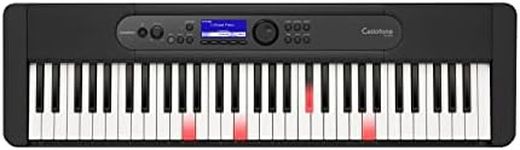
Built-in FeaturesBuilt-in features can include a variety of functions such as metronomes, recording capabilities, lesson modes, and different instrument sounds. These features can enhance your learning and playing experience. If you're a beginner, look for keyboards with educational features like lesson modes or light-up keys. If you're more advanced, you might prioritize features like recording capabilities or a wide range of sounds. Consider what features will support your musical goals and make your practice more enjoyable.
PortabilityPortability is a key factor for many 61-key keyboards, as they are often chosen for their compact size and ease of transport. This is important if you plan to move your keyboard frequently or have limited space. Lighter keyboards are easier to carry, but ensure they still meet your needs in terms of features and sound quality. If you need to travel with your keyboard or have a small practice area, prioritize models that are lightweight and easy to set up.
ConnectivityConnectivity options such as USB, MIDI, and audio outputs are important for expanding the functionality of your keyboard. This is crucial if you want to connect to a computer for music production, use external speakers, or integrate with other musical equipment. Beginners might not need extensive connectivity options, but if you plan to record music or perform, ensure the keyboard has the necessary ports to connect with your devices. Consider your current and future needs for connectivity when making your choice.