Buying Guide for the Best Ant Poisons
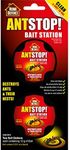
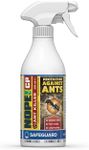
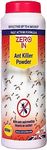
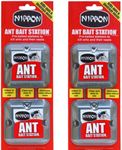
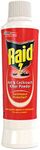
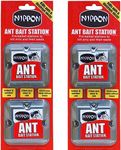
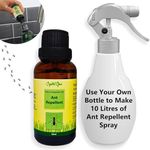
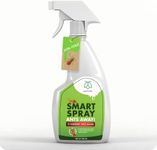
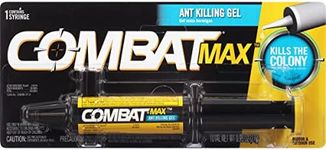
Choosing the right ant poison is crucial for effectively dealing with an ant infestation in your home or garden. The key is to understand the different types of ant poisons available and how they work, so you can select the one that best suits your specific situation. Consider factors such as the type of ants you're dealing with, the location of the infestation, and any safety concerns for children or pets. By understanding these elements, you can make an informed decision that will help you eliminate the problem efficiently and safely.Type of Ant PoisonAnt poisons come in various forms, including gels, baits, sprays, and granules. Each type has its own method of application and effectiveness. Gels and baits are often used indoors and work by attracting ants to consume the poison and take it back to their colony. Sprays are typically used for immediate contact killing and are effective for visible ant trails. Granules are often used outdoors and can cover larger areas. Choosing the right type depends on where the ants are located and how you want to apply the poison. If you have a large outdoor area, granules might be best, while gels or baits are suitable for indoor use.
Active IngredientsThe active ingredient in an ant poison determines how it affects the ants. Common active ingredients include borax, fipronil, and hydramethylnon. Borax is a slow-acting poison that allows ants to carry it back to the colony, affecting more ants over time. Fipronil is a fast-acting poison that is effective for quick results. Hydramethylnon is also slow-acting and is often used in baits. When choosing an ant poison, consider how quickly you need results and whether you want to target the entire colony or just the ants you see.
Safety for Children and PetsSafety is a crucial consideration when choosing an ant poison, especially if you have children or pets. Some poisons can be harmful if ingested or touched, so it's important to read labels and choose products that are safe for your household. Look for products that are specifically labeled as safe for use around children and pets, or consider using bait stations that keep the poison contained. If safety is a major concern, opt for natural or non-toxic alternatives that are less harmful but still effective.
Target Ant SpeciesDifferent ant species may respond differently to various poisons, so it's important to identify the type of ants you're dealing with. Some poisons are formulated to target specific species, such as carpenter ants or fire ants, while others are more general. Identifying the ant species can help you choose a poison that is more likely to be effective. If you're unsure of the species, opt for a broad-spectrum poison that targets multiple types of ants.
Application MethodThe method of application can affect the effectiveness and convenience of using an ant poison. Some products require direct application to ant trails or nests, while others can be spread over a larger area. Consider how much time and effort you're willing to invest in applying the poison. If you prefer a hands-off approach, baits or granules that can be left in place might be more suitable. For targeted treatment, sprays or gels that require direct application might be necessary.