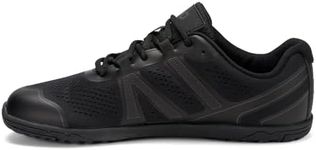
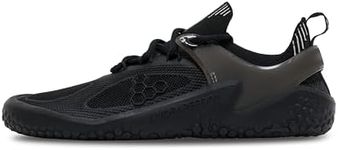
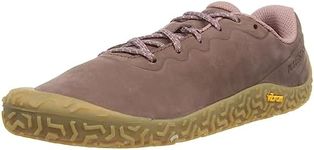
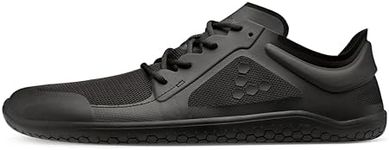
Buying Guide for the Best Barefoot Shoes
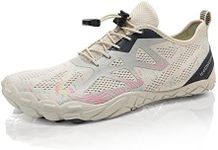
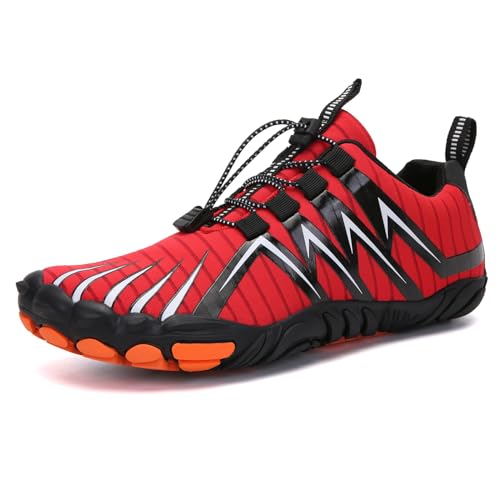
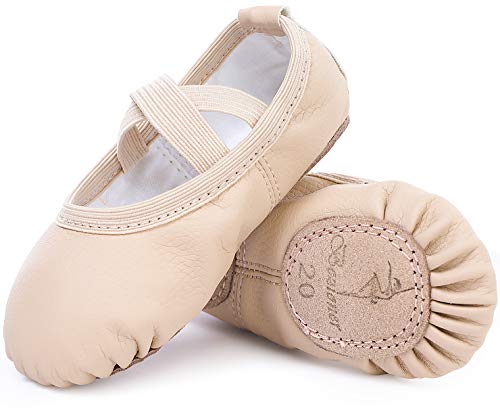
Barefoot shoes are designed to mimic the natural shape and movement of your feet, providing a more natural walking or running experience. They are typically lightweight, flexible, and have minimal cushioning, allowing your feet to move freely and strengthen over time. When choosing barefoot shoes, it's important to consider how they will be used, whether for running, walking, or casual wear, and to ensure they fit well and feel comfortable. Understanding the key specifications will help you select the best pair for your needs.Toe BoxThe toe box is the front part of the shoe where your toes sit. In barefoot shoes, a wide toe box is crucial as it allows your toes to splay naturally, which is important for balance and comfort. A narrow toe box can restrict movement and cause discomfort. When choosing barefoot shoes, look for a toe box that allows your toes to spread out comfortably without feeling cramped. If you have wider feet or prefer more toe space, opt for shoes with a wider toe box.
Sole ThicknessSole thickness refers to the thickness of the shoe's sole, which in barefoot shoes is typically very thin. This is important because a thinner sole allows for better ground feel and more natural foot movement. Barefoot shoes usually have soles ranging from 3mm to 10mm. If you're new to barefoot shoes, you might start with a slightly thicker sole for more protection and gradually move to thinner soles as your feet adapt. For experienced barefoot shoe users, a thinner sole can enhance the barefoot experience.
FlexibilityFlexibility in barefoot shoes means how easily the shoe bends and twists. This is important because it allows your foot to move naturally and strengthens foot muscles. A highly flexible shoe will bend easily in all directions, mimicking the natural movement of your foot. When trying on barefoot shoes, test their flexibility by bending and twisting them. Choose a shoe that offers the level of flexibility that feels comfortable and natural for your intended activities, whether it's running, walking, or casual wear.
Heel-to-Toe DropHeel-to-toe drop is the difference in height between the heel and the toe of the shoe. In barefoot shoes, this drop is usually zero, meaning the heel and toe are at the same level. This is important for promoting a natural gait and posture. A zero drop encourages a midfoot or forefoot strike, which can reduce impact on joints. If you're transitioning from traditional shoes with a higher drop, it may take time for your body to adjust to a zero drop, so consider your experience level and comfort when choosing.
MaterialThe material of barefoot shoes affects their breathability, durability, and comfort. Common materials include mesh, leather, and synthetic fabrics. Breathable materials like mesh are great for warmer climates or intense activities as they allow air circulation. Leather offers durability and a more classic look but may be less breathable. Consider the climate and activities you'll be using the shoes for when selecting the material. Choose a material that provides the right balance of comfort, durability, and breathability for your needs.