Buying Guide for the Best Beginner Guitar
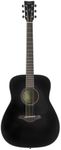
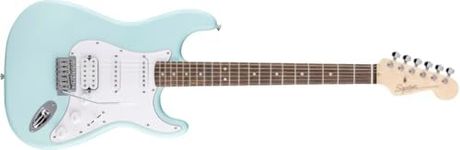
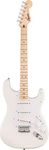
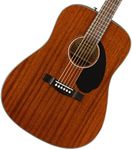
Choosing a beginner guitar is an exciting journey into the world of music. The right guitar can inspire you to practice and improve your skills, while the wrong one might discourage you. When selecting a guitar, consider factors like comfort, sound quality, and durability. It's important to find a guitar that feels good in your hands and suits your musical interests. Start by understanding the key specifications that will influence your playing experience.Type of GuitarThe type of guitar is crucial because it determines the sound and style of music you can play. There are mainly acoustic and electric guitars. Acoustic guitars are great for beginners as they don't require additional equipment and are versatile for various music styles. Electric guitars are ideal if you're interested in rock or metal music and are willing to invest in an amplifier. Consider your musical interests and the environment where you'll be playing to decide which type suits you best.
Body ShapeThe body shape of a guitar affects its sound and playability. Common shapes include dreadnought, concert, and parlor for acoustic guitars, and solid, hollow, and semi-hollow for electric guitars. Dreadnoughts are popular for their loud sound and versatility, while concert and parlor shapes are more comfortable for smaller players. Solid body electric guitars are versatile and durable, while hollow and semi-hollow bodies offer unique tones. Choose a shape that feels comfortable and matches your preferred sound.
Neck ProfileThe neck profile refers to the shape and thickness of the guitar's neck, which impacts comfort and playability. Common profiles include C-shaped, V-shaped, and U-shaped. C-shaped necks are generally comfortable for most players, while V-shaped necks might suit those with larger hands. U-shaped necks offer more grip but can be bulky. Try different neck profiles to see which feels best in your hand, especially if you plan to play for extended periods.
Scale LengthScale length is the distance between the nut and the bridge of the guitar, affecting string tension and playability. Shorter scale lengths are easier to play and require less finger strength, making them ideal for beginners. Longer scale lengths offer more tension and can produce a brighter sound. If you're new to playing, a shorter scale length might be more comfortable, but consider your musical style and hand size when making a choice.
Wood TypeThe type of wood used in a guitar influences its tone and resonance. Common woods include spruce, mahogany, and maple for acoustic guitars, and alder, ash, and basswood for electric guitars. Spruce offers a bright sound, mahogany provides warmth, and maple is known for clarity. Alder and ash are versatile for electric guitars, while basswood is lightweight and affordable. Consider the sound characteristics you prefer and try different wood types to find the one that resonates with you.
String TypeString type affects the sound and feel of the guitar. Acoustic guitars typically use steel or nylon strings, while electric guitars use steel strings. Steel strings are bright and loud, suitable for most music styles, while nylon strings are softer and easier on the fingers, ideal for classical music. Electric guitar strings vary in gauge, affecting playability and tone. Beginners might prefer lighter gauge strings for ease of playing. Choose strings based on your musical style and comfort level.