Buying Guide for the Best Compression Stocking For Varicose Vein
Compression stockings are a specialized type of hosiery designed to help prevent and manage varicose veins by applying gentle pressure to your legs. This pressure helps to improve blood flow, reduce swelling, and alleviate discomfort. When choosing compression stockings, it's important to consider several key specifications to ensure you select the right pair for your needs. Understanding these specifications will help you make an informed decision and find the best fit for your lifestyle and medical requirements.Compression LevelCompression level refers to the amount of pressure the stockings apply to your legs, measured in millimeters of mercury (mmHg). This is crucial because the right level of compression can help improve blood circulation and reduce symptoms of varicose veins. Compression levels are generally categorized into mild (8-15 mmHg), moderate (15-20 mmHg), firm (20-30 mmHg), and extra firm (30-40 mmHg). Mild compression is suitable for mild symptoms or for preventive use, while moderate to firm compression is often recommended for managing varicose veins and more severe symptoms. Extra firm compression is typically used for severe cases and should be chosen under medical advice. Consider your symptoms and consult with a healthcare professional to determine the appropriate compression level for you.
MaterialThe material of compression stockings affects comfort, durability, and breathability. Common materials include nylon, spandex, and cotton blends. Nylon and spandex offer good elasticity and durability, making them suitable for everyday wear. Cotton blends provide more breathability and comfort, which can be beneficial for sensitive skin or warmer climates. When choosing the material, consider your skin sensitivity, climate, and how long you plan to wear the stockings each day. Opt for a material that feels comfortable against your skin and suits your lifestyle needs.
Size and FitSize and fit are critical for the effectiveness of compression stockings. A proper fit ensures that the stockings provide the right amount of compression without being too tight or too loose. Sizes are usually determined by measuring the circumference of your ankle, calf, and sometimes thigh, as well as the length of your leg. It's important to follow the sizing chart provided by the manufacturer to find your correct size. If you're between sizes, consider the level of compression and your comfort preference. A well-fitted stocking will stay in place and provide consistent compression throughout the day.
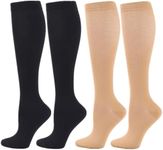
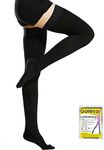
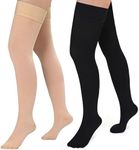
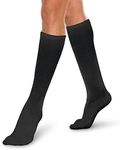
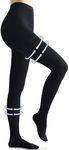
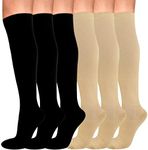
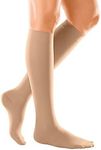
LengthCompression stockings come in different lengths, including knee-high, thigh-high, and full-length (pantyhose). The length you choose should depend on the location and severity of your varicose veins. Knee-high stockings are suitable for veins below the knee, while thigh-high or full-length stockings are better for veins that extend above the knee. Consider your specific condition and consult with a healthcare professional if you're unsure which length is appropriate for you. The right length will ensure that the compression is applied effectively to the affected areas.
Open Toe vs. Closed ToeCompression stockings are available in open toe and closed toe designs. Open toe stockings allow your toes to be free, which can be more comfortable in warmer weather or if you have toe-related issues. Closed toe stockings provide full coverage and are similar to regular socks, offering more warmth and protection. The choice between open and closed toe depends on personal preference, climate, and any specific foot conditions you may have. Consider your comfort and any additional needs when deciding between these options.