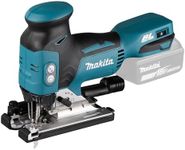
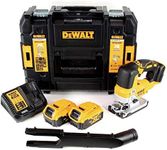
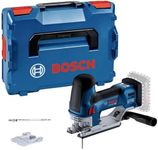
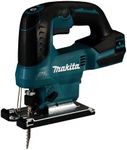
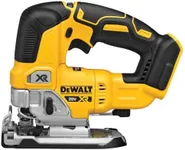
Buying Guide for the Best Cordless Jigsaw
Choosing the right cordless jigsaw can make a significant difference in your woodworking or DIY projects. A jigsaw is a versatile tool that can cut various materials, including wood, metal, and plastic, with precision. When selecting a cordless jigsaw, it's essential to consider several key specifications to ensure you get the best fit for your needs. Understanding these specs will help you make an informed decision and find a tool that matches your requirements and preferences.Battery VoltageBattery voltage determines the power of the jigsaw. Higher voltage means more power, which is crucial for cutting through tougher materials. Jigsaws typically come in 12V, 18V, or 20V options. For light-duty tasks and occasional use, a 12V jigsaw might be sufficient. However, for more demanding projects or frequent use, an 18V or 20V jigsaw would be more appropriate. Consider the types of materials you'll be cutting and the intensity of your projects when choosing the battery voltage.
Stroke RateThe stroke rate, measured in strokes per minute (SPM), indicates how fast the blade moves up and down. A higher stroke rate allows for faster cutting, which is beneficial for larger projects. Jigsaws typically offer stroke rates ranging from 500 to 3,000 SPM. For general-purpose use, a jigsaw with a variable stroke rate is ideal, as it allows you to adjust the speed based on the material and the precision required. If you work with a variety of materials, look for a jigsaw with adjustable stroke rates.
Orbital ActionOrbital action refers to the movement of the blade in a slightly circular motion, which can make cutting faster and more aggressive. Jigsaws with orbital action settings allow you to adjust the aggressiveness of the cut. For smooth, precise cuts, you might use a lower orbital setting or none at all. For faster, rougher cuts, a higher orbital setting is beneficial. If you need versatility in your cuts, choose a jigsaw with multiple orbital action settings.
Bevel CapacityBevel capacity indicates the ability of the jigsaw to tilt and make angled cuts. This is important for tasks that require precision and angled cuts, such as creating joints or decorative edges. Most jigsaws offer a bevel capacity of 45 degrees, which is sufficient for most angled cuts. If you frequently work on projects that require angled cuts, ensure the jigsaw has an easy-to-adjust bevel mechanism and clear angle markings.
Blade Change SystemThe blade change system determines how easy it is to replace the blade. A tool-less blade change system allows you to quickly and easily swap out blades without needing additional tools. This is particularly useful if you need to change blades frequently for different materials. Look for a jigsaw with a convenient and secure blade change system to save time and effort during your projects.
Ergonomics and WeightErgonomics and weight affect the comfort and ease of use of the jigsaw. A well-designed, lightweight jigsaw reduces fatigue during extended use and provides better control. Consider the handle design, grip comfort, and overall weight of the jigsaw. If you plan to use the jigsaw for long periods, prioritize models with ergonomic designs and manageable weight to ensure a comfortable experience.
Dust ManagementDust management features help keep your work area clean and improve visibility while cutting. Some jigsaws come with built-in dust blowers or vacuum attachments to remove sawdust from the cutting line. If you work in a confined space or need to maintain a clean work environment, look for a jigsaw with effective dust management features to enhance your cutting experience.