Buying Guide for the Best Emergency Radios
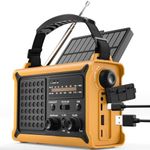
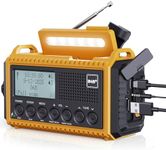
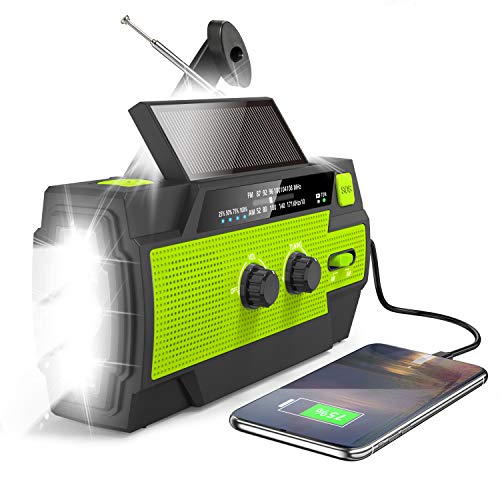
When choosing an emergency radio, it's crucial to consider the features that will ensure you have reliable access to information and communication during emergencies. Emergency radios are designed to keep you informed and connected when other forms of communication might fail. They can be a lifeline in situations like natural disasters, power outages, or when you're off the grid. Understanding the key specifications will help you select a radio that best fits your needs and circumstances.Power SourceThe power source of an emergency radio is critical because it determines how you can keep the radio operational during an emergency. Common power sources include batteries, hand cranks, solar panels, and AC adapters. Radios with multiple power options are ideal as they offer flexibility. For instance, a hand crank or solar panel can be invaluable when batteries are depleted, and there's no electricity. Consider your typical environment and choose a radio with power sources that you can easily manage.
Frequency BandsFrequency bands refer to the range of radio frequencies the device can receive. Most emergency radios will have AM and FM bands, but it's also important to have access to NOAA weather channels for real-time weather alerts. Some radios may also include shortwave bands for international broadcasts. If you live in an area prone to severe weather, ensure the radio can receive NOAA alerts. For those interested in global news, shortwave bands might be beneficial.
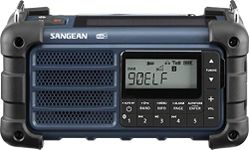
Durability and Build QualityDurability and build quality are important because emergency radios need to withstand harsh conditions. Look for radios that are water-resistant or waterproof, and have a rugged design to endure drops or impacts. If you plan to use the radio outdoors or in challenging environments, prioritize models with robust construction. Consider your typical usage scenarios and choose a radio that can handle the wear and tear you anticipate.
PortabilityPortability refers to how easy it is to carry and transport the radio. A compact and lightweight radio is easier to pack and carry, especially if you need to evacuate quickly or travel on foot. If you plan to keep the radio in a fixed location, portability might be less of a concern. Assess your likely emergency scenarios and decide if a portable model is necessary for your needs.
Additional FeaturesAdditional features can enhance the functionality of an emergency radio. These might include a built-in flashlight, USB charging ports for other devices, or an SOS alarm. While these features can be very useful, they should not overshadow the primary function of the radio, which is to receive broadcasts. Consider which additional features would be most beneficial in your specific situation, such as a flashlight for power outages or a USB port to charge your phone.