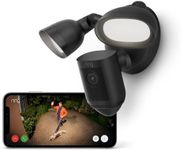
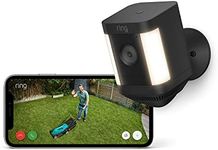
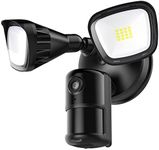
Buying Guide for the Best Floodlight Camera
Choosing the right floodlight camera can significantly enhance the security of your home or business. Floodlight cameras combine the functionality of a security camera with powerful lighting, providing both surveillance and illumination. When selecting a floodlight camera, it's important to consider several key specifications to ensure you get the best fit for your needs. Here are the main specs to look at and how to navigate them.ResolutionResolution refers to the clarity of the video captured by the camera. Higher resolution means clearer and more detailed images. Common resolutions include 720p (HD), 1080p (Full HD), and 4K (Ultra HD). If you need to identify faces or license plates, opt for at least 1080p. For general surveillance, 720p might suffice, but 4K provides the best detail if you need high precision.
Field of ViewField of view (FOV) indicates how wide the camera can see. It is measured in degrees. A wider FOV (e.g., 120-180 degrees) covers more area, which is useful for monitoring large spaces. Narrower FOV (e.g., 90 degrees) focuses on specific areas. Choose a wider FOV for broad coverage and a narrower FOV for targeted surveillance.
Night VisionNight vision allows the camera to capture clear images in low light or complete darkness. This is crucial for 24/7 surveillance. Look for cameras with infrared (IR) LEDs or color night vision. IR LEDs provide black and white images, while color night vision offers more detail. Consider your need for detail in nighttime footage when choosing.
Motion DetectionMotion detection triggers the camera to record or send alerts when movement is detected. This feature helps save storage and ensures you are notified of potential intrusions. Advanced options include customizable motion zones and sensitivity settings. Choose a camera with adjustable motion detection to avoid false alarms from pets or passing cars.
LightingThe floodlight's brightness is measured in lumens. Higher lumens mean brighter light. Typical floodlights range from 700 to 2400 lumens. Brighter lights are better for deterring intruders and illuminating large areas. Consider the area you need to light up and choose accordingly. Adjustable brightness settings can offer flexibility.
Storage OptionsStorage options determine where your video footage is saved. Common options include cloud storage and local storage (e.g., SD cards). Cloud storage offers remote access and backup but may require a subscription. Local storage avoids recurring fees but can be limited in capacity. Choose based on your preference for accessibility and budget.
ConnectivityConnectivity refers to how the camera connects to your network. Options include Wi-Fi and wired connections. Wi-Fi offers easier installation and flexibility in camera placement, while wired connections provide more stable and reliable performance. Consider your home’s network setup and choose the option that ensures a stable connection.
Weather ResistanceWeather resistance ensures the camera can withstand outdoor conditions. Look for an IP rating, which indicates protection against dust and water. An IP65 rating or higher is recommended for outdoor use. Ensure the camera can handle the weather conditions in your area to maintain functionality year-round.
Two-Way AudioTwo-way audio allows you to listen and speak through the camera. This feature is useful for communicating with visitors or deterring intruders. Look for cameras with clear audio quality and noise cancellation. If you need to interact with people at your door or scare off trespassers, this feature is essential.