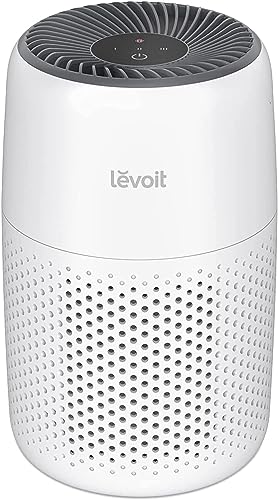
Buying Guide for the Best Formaldehyde Air Purifier
Choosing the right air purifier to remove formaldehyde from your indoor environment is crucial for maintaining a healthy living space. Formaldehyde is a common indoor pollutant that can be emitted from various household products and building materials. When selecting an air purifier, it's important to understand the key specifications that will ensure effective removal of formaldehyde and other harmful substances. Here are the key specs to consider and how to navigate them to find the best fit for your needs.Filter TypeThe filter type is one of the most important aspects of an air purifier. For formaldehyde removal, look for air purifiers with activated carbon filters or specialized formaldehyde filters. Activated carbon filters are effective at trapping gases and odors, including formaldehyde. Specialized formaldehyde filters are designed specifically to target and neutralize formaldehyde molecules. If your primary concern is formaldehyde, ensure the air purifier includes one of these filter types.
CADR (Clean Air Delivery Rate)CADR measures the volume of filtered air delivered by an air purifier, indicating its efficiency in removing pollutants. Higher CADR values mean faster and more effective purification. For formaldehyde, look for air purifiers with a high CADR rating for gases. This ensures that the air purifier can quickly and efficiently remove formaldehyde from the air. Consider the size of the room where the air purifier will be used and choose a model with a CADR rating suitable for that space.
Room Size CoverageRoom size coverage indicates the maximum area an air purifier can effectively clean. It's important to match the air purifier's coverage with the size of the room where it will be used. Air purifiers are typically rated for small, medium, or large rooms. If you have a larger space, ensure the air purifier can handle the square footage to maintain optimal air quality. For formaldehyde removal, choose an air purifier that can cover the entire room where formaldehyde sources are present.
Noise LevelNoise level is an important consideration, especially if the air purifier will be used in a bedroom or living area. Air purifiers can produce varying levels of noise, measured in decibels (dB). Quieter models are preferable for maintaining a peaceful environment. If noise is a concern, look for air purifiers with lower dB ratings or those with a 'quiet mode' feature. Balancing noise level with purification efficiency is key to ensuring comfort and effectiveness.
Maintenance and Filter ReplacementMaintenance and filter replacement are ongoing aspects of owning an air purifier. Filters need to be replaced periodically to maintain effectiveness. Check the manufacturer's recommendations for filter replacement frequency and cost. Some air purifiers have indicator lights to signal when it's time to change the filter. Consider ease of maintenance and availability of replacement filters when choosing an air purifier. Regular maintenance ensures the air purifier continues to effectively remove formaldehyde and other pollutants.
Additional FeaturesAdditional features can enhance the functionality and convenience of an air purifier. Look for features such as air quality sensors, auto mode, remote control, and mobile app connectivity. Air quality sensors can detect formaldehyde levels and adjust the purifier's settings automatically. Auto mode allows the purifier to operate efficiently without manual adjustments. Remote control and app connectivity provide ease of use and monitoring. Choose features that align with your lifestyle and preferences for added convenience.