Buying Guide for the Best Garment Rails
When choosing garment rails, it's important to consider the space you have available, the amount of clothing you need to store, and the style that best fits your room. Garment rails are versatile storage solutions that can be used in bedrooms, laundry rooms, or even retail spaces. They come in various sizes, materials, and designs, so understanding your specific needs will help you make the best choice. Consider the weight of the clothing you plan to hang, as well as any additional features you might need, such as wheels for mobility or adjustable heights for flexibility.MaterialThe material of a garment rail affects its durability, weight capacity, and aesthetic appeal. Common materials include metal, wood, and plastic. Metal rails, often made from stainless steel or chrome, are sturdy and can hold a significant amount of weight, making them ideal for heavy garments or commercial use. Wooden rails offer a more classic and stylish look, suitable for home use, but may not support as much weight as metal. Plastic rails are lightweight and affordable, but they are best for lighter clothing. Choose a material based on the weight of your garments and the style you prefer.
Size and DimensionsThe size and dimensions of a garment rail determine how much clothing it can hold and how well it fits into your space. Measure the area where you plan to place the rail to ensure it will fit comfortably. Consider the length, width, and height of the rail. Longer rails can accommodate more clothes, while taller rails are suitable for longer garments like dresses and coats. If space is limited, look for compact or collapsible designs. Choose a size that matches your storage needs and available space.
Weight CapacityWeight capacity indicates how much weight a garment rail can support without bending or breaking. This is crucial if you plan to hang heavy items like coats or suits. Rails with higher weight capacities are typically made from stronger materials like metal. Check the manufacturer's specifications for weight limits and consider the types of clothing you will store. If you have a lot of heavy garments, opt for a rail with a higher weight capacity to ensure stability and longevity.
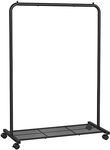
MobilityMobility refers to the ease with which you can move the garment rail. Some rails come with wheels, making them easy to relocate, which is useful in retail settings or if you frequently rearrange your space. Look for rails with lockable wheels to keep them stationary when needed. If you don't need to move the rail often, a stationary model without wheels might be more stable. Consider how often you plan to move the rail and choose accordingly.
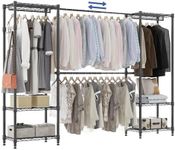
AdjustabilityAdjustability features allow you to customize the height or width of the garment rail to suit different types of clothing or to fit into various spaces. Some rails have adjustable bars that can be raised or lowered, which is useful for accommodating longer garments or maximizing space. Others may have extendable arms for additional hanging space. If you need flexibility in your storage solution, look for a rail with adjustable features. This is particularly beneficial if your storage needs change over time.