Buying Guide for the Best Japanese Mattress
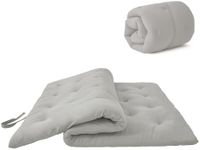
Choosing the right Japanese mattress, often referred to as a futon, is essential for ensuring a good night's sleep and maintaining proper posture. Japanese mattresses are known for their simplicity, portability, and ability to be stored away easily, making them ideal for small spaces or minimalist living. When selecting a Japanese mattress, consider your personal comfort preferences, sleeping habits, and any specific health needs you may have. Understanding the key specifications will help you make an informed decision that aligns with your lifestyle and comfort requirements.MaterialThe material of a Japanese mattress is crucial as it affects comfort, durability, and breathability. Common materials include cotton, wool, and synthetic fibers. Cotton is breathable and natural, making it a popular choice for those who prefer a cooler sleep environment. Wool offers warmth and is naturally resistant to dust mites, which is beneficial for allergy sufferers. Synthetic fibers can provide a balance of comfort and affordability. Consider your climate and any allergies when choosing the material, as well as your preference for natural versus synthetic options.
ThicknessThickness determines the level of support and comfort a Japanese mattress provides. Traditional futons are typically thinner, around 2 to 4 inches, which can be beneficial for those who prefer a firmer sleeping surface or need to store the mattress easily. Thicker options, up to 6 inches, offer more cushioning and may be better for side sleepers or those who require more support. Consider your sleeping position and any back or joint issues when selecting the thickness, as this will impact your overall comfort and support.
FirmnessFirmness is a key factor in determining how comfortable a mattress will be for you. Japanese mattresses generally range from soft to firm. A firmer mattress can provide better support for your spine and is often recommended for back sleepers or those with back pain. Softer mattresses may be more comfortable for side sleepers or those who prefer a plush feel. Your personal comfort preference and any specific health needs should guide your choice in firmness.
SizeSize is important to ensure the mattress fits your sleeping area and accommodates your body comfortably. Japanese mattresses come in various sizes, from single to double, and sometimes larger. Consider the space where you will be using the mattress and whether you will be sleeping alone or with a partner. Ensure the size you choose allows for comfortable movement and fits well in your living space, especially if you plan to store it during the day.
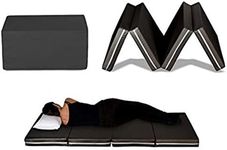
PortabilityPortability is a significant advantage of Japanese mattresses, as they are designed to be easily folded and stored. This feature is particularly important if you have limited space or need to move the mattress frequently. Lighter materials and thinner designs enhance portability, making it easier to handle and store. If you value the ability to quickly set up and put away your sleeping area, prioritize a mattress that is easy to fold and transport.