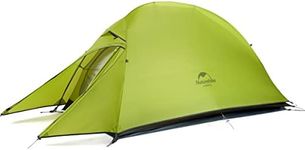
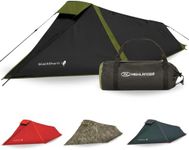
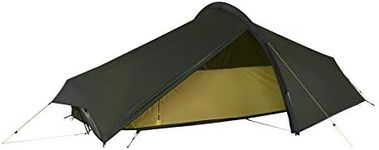
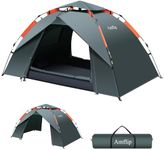
Buying Guide for the Best Lightweight 1 Person Tent
Choosing the right lightweight 1-person tent involves considering factors that will ensure comfort, durability, and ease of use during your outdoor adventures. A tent is your home away from home, so it's important to select one that suits your specific needs, whether you're backpacking, camping, or hiking. Focus on the tent's weight, size, material, and weather resistance to make an informed decision that enhances your outdoor experience.WeightWeight is a crucial factor when selecting a lightweight tent, especially for backpackers who need to carry their gear over long distances. Lightweight tents typically range from 1 to 3 pounds. If you're planning a long trek, aim for the lower end of this range to minimize the load. For shorter trips or if comfort is a priority, a slightly heavier tent might offer more features or durability. Consider your physical capacity and the nature of your trip when deciding on the weight.
SizeThe size of a 1-person tent should provide enough space for you and your gear while being compact enough to carry easily. Look for tents with a floor area of around 15 to 20 square feet. If you have a lot of gear or prefer more room to move, opt for a tent on the larger end of this spectrum. For minimalist campers or those with less gear, a smaller tent will suffice. Consider your personal space needs and the amount of gear you plan to store inside.
MaterialTent materials affect durability, weight, and weather resistance. Common materials include nylon and polyester, often with a waterproof coating. Nylon is lightweight and strong, making it ideal for backpacking, while polyester is more UV resistant and can be a better choice for sunny conditions. Consider the conditions you'll be camping in; if you're expecting rain, ensure the material has a good waterproof rating. Your choice should balance weight and durability based on your typical camping environment.
Weather ResistanceWeather resistance is vital for staying dry and comfortable in various conditions. Look for tents with a high waterproof rating, typically measured in millimeters, with 1000mm being a basic level and 3000mm or more offering better protection. Additionally, consider the tent's wind resistance and ventilation features. If you're camping in areas prone to rain or wind, prioritize a tent with robust weatherproofing. Your choice should reflect the typical weather conditions of your camping destinations.
Ease of SetupEase of setup is important for convenience, especially after a long day of hiking. Look for tents with simple designs, such as freestanding models or those with fewer poles. Some tents offer color-coded components or quick-clip systems to make setup faster and easier. If you're new to camping or often set up camp in the dark, prioritize a tent with straightforward assembly. Consider your experience level and typical camping conditions when evaluating setup complexity.