Buying Guide for the Best Makeup Primers
Choosing the right makeup primer can make a significant difference in how your makeup looks and lasts throughout the day. A primer creates a smooth base for your foundation, helps to even out your skin tone, and can address specific skin concerns. To find the best primer for you, consider your skin type, the finish you desire, and any particular skin issues you want to address. Here are some key specifications to consider when selecting a makeup primer.Skin Type CompatibilityThis spec refers to how well the primer works with different skin types, such as oily, dry, combination, or sensitive skin. It's important because using a primer that matches your skin type can enhance its effectiveness and prevent issues like excess oiliness or dryness. For oily skin, look for mattifying primers that control shine. For dry skin, hydrating primers with moisturizing ingredients are ideal. Combination skin may benefit from a balancing primer, while sensitive skin should opt for gentle, fragrance-free formulas. Choose a primer that aligns with your skin type to ensure the best results.
FinishThe finish of a primer refers to the final look it gives your skin, such as matte, dewy, or natural. This is important because it affects the overall appearance of your makeup. A matte finish is great for those who want to reduce shine and have a more polished look, making it ideal for oily skin. A dewy finish provides a radiant, glowing look, perfect for dry or dull skin. A natural finish offers a balanced look that works well for most skin types. Consider the look you want to achieve and choose a primer with the corresponding finish.
Pore MinimizingPore minimizing primers are designed to reduce the appearance of large pores, creating a smoother surface for makeup application. This is important for those who are concerned about visible pores, as it can help achieve a more flawless complexion. If you have large pores, look for primers labeled as pore minimizing or blurring. These primers often contain ingredients like silicone to fill in pores and create a smooth canvas. If pore size is not a concern for you, this spec may not be as crucial.
LongevityLongevity refers to how long the primer helps your makeup stay in place. This is important for those who need their makeup to last throughout the day without fading or smudging. Long-wearing primers are ideal for long days, special events, or hot and humid conditions. If you need your makeup to last for extended periods, look for primers that are specifically formulated for long wear. If you only need your makeup to last for a few hours, longevity may be less of a priority.
SPF ProtectionSome primers come with added SPF protection, which helps shield your skin from harmful UV rays. This is important for maintaining skin health and preventing sun damage. If you spend a lot of time outdoors or want extra sun protection, look for primers with SPF. The level of SPF can vary, so choose one that provides adequate protection for your needs. If you already use a separate sunscreen, SPF in your primer may be less necessary.
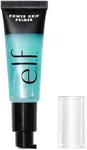
Color CorrectingColor correcting primers are designed to address specific skin tone issues, such as redness, dullness, or sallowness. This is important for those who want to even out their complexion before applying foundation. Green primers can neutralize redness, purple primers can brighten dull skin, and yellow primers can counteract sallowness. If you have specific color correction needs, choose a primer with the appropriate tint. If your skin tone is already even, a standard primer may suffice.