Buying Guide for the Best Marine Solar Panels
Choosing the right marine solar panels is crucial for ensuring a reliable and efficient power supply on your boat or yacht. Marine solar panels harness sunlight to generate electricity, which can be used to power various onboard systems, reducing reliance on traditional fuel sources and enhancing sustainability. When selecting marine solar panels, it's important to consider factors such as energy needs, available space, and environmental conditions. Understanding the key specifications will help you make an informed decision that aligns with your specific requirements.Power Output (Wattage)Power output, measured in watts, indicates the amount of electricity a solar panel can produce under ideal conditions. This is important because it determines how much energy you can generate to power your boat's systems. Panels typically range from 50 watts to over 300 watts. If you have minimal energy needs, such as charging small devices, lower wattage panels may suffice. For larger energy demands, like running appliances or navigation systems, higher wattage panels are necessary. Assess your energy consumption to determine the appropriate power output for your needs.
EfficiencyEfficiency refers to the percentage of sunlight that a solar panel can convert into usable electricity. Higher efficiency panels can generate more power in a smaller space, which is crucial on a boat where space is limited. Efficiency rates typically range from 15% to 22%. If you have limited deck space, opt for higher efficiency panels to maximize energy production. If space is not a constraint, you might choose slightly less efficient panels that are more cost-effective. Consider your available space and energy needs when evaluating efficiency.
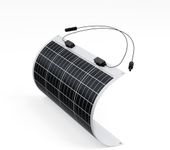
Durability and MaterialsDurability is a measure of how well a solar panel can withstand harsh marine environments, including saltwater, wind, and UV exposure. Panels are often made from materials like monocrystalline, polycrystalline, or thin-film, each with different durability levels. Monocrystalline panels are generally more durable and efficient, making them suitable for long-term use in challenging conditions. Polycrystalline panels are less expensive but slightly less efficient and durable. Thin-film panels are flexible and lightweight but less efficient. Choose based on the environmental conditions your panels will face and how long you need them to last.
Size and WeightThe size and weight of solar panels are important considerations for installation and integration on a boat. Larger panels can produce more power but require more space, while smaller panels are easier to install in tight spaces. Weight is also a factor, as heavier panels may affect the boat's balance and performance. Consider the available space on your boat and how much weight it can accommodate. If space is limited, look for compact and lightweight panels that still meet your energy needs.
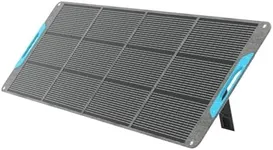
Mounting OptionsMounting options refer to how solar panels are installed on your boat. Common options include fixed mounts, adjustable mounts, and flexible mounts. Fixed mounts are stable and secure but may not always capture optimal sunlight. Adjustable mounts allow you to change the panel's angle to maximize sun exposure, increasing efficiency. Flexible mounts can conform to curved surfaces, offering versatility in installation. Choose a mounting option that suits your boat's design and allows for optimal sunlight capture based on your typical sailing conditions.
Temperature CoefficientThe temperature coefficient indicates how a solar panel's performance is affected by temperature changes. Solar panels generally perform better in cooler conditions, and a lower temperature coefficient means less efficiency loss in high temperatures. This is important for marine environments where temperatures can vary. Panels with a lower temperature coefficient are preferable in hot climates to maintain efficiency. Consider the typical temperature conditions your panels will face and choose accordingly to ensure consistent performance.