Buying Guide for the Best Pulse Oximeters
Pulse oximeters are essential devices for measuring the oxygen saturation level in your blood and your pulse rate. They are particularly useful for individuals with respiratory or cardiovascular conditions, athletes, or anyone who wants to monitor their health. When choosing a pulse oximeter, it's important to consider several key specifications to ensure you select a device that meets your needs effectively. Understanding these specifications will help you make an informed decision and choose a pulse oximeter that provides accurate and reliable readings.AccuracyAccuracy is crucial in a pulse oximeter as it determines how closely the device's readings match your actual blood oxygen levels and pulse rate. A highly accurate device will provide readings that are within a small margin of error, typically around 2% for oxygen saturation. When choosing a pulse oximeter, look for one that has been clinically tested and validated for accuracy. If you have a medical condition that requires precise monitoring, prioritize accuracy to ensure you get reliable data.
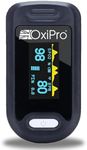
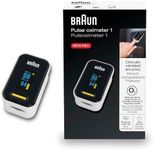
Display TypeThe display type of a pulse oximeter affects how easily you can read the measurements. Common display types include LED and OLED screens. LED displays are generally more basic and may be harder to read in bright light, while OLED displays offer clearer and more vibrant readings, even in low light conditions. If you need to use the oximeter in various lighting conditions, an OLED display might be more suitable. Consider your typical usage environment when selecting the display type.
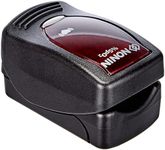
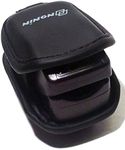
Size and PortabilitySize and portability are important if you plan to carry the pulse oximeter with you or use it frequently on the go. Compact and lightweight models are easier to transport and store. If you need a pulse oximeter for travel or outdoor activities, opt for a smaller, portable model. However, if you primarily use it at home, size may be less of a concern, and you might prioritize other features instead.
Battery LifeBattery life determines how long the pulse oximeter can operate before needing a recharge or battery replacement. Longer battery life is beneficial for continuous monitoring or frequent use. Some models use rechargeable batteries, while others use disposable ones. If you prefer convenience and less frequent charging, look for a model with a longer battery life. Consider your usage patterns to decide whether a rechargeable or disposable battery model suits you best.
Ease of UseEase of use refers to how simple it is to operate the pulse oximeter. A user-friendly device will have intuitive controls, clear instructions, and easy-to-read displays. If you're not tech-savvy or need to use the device quickly and efficiently, prioritize models that are straightforward to use. Consider who will be using the device and their comfort level with technology when evaluating ease of use.
Additional FeaturesSome pulse oximeters come with additional features such as Bluetooth connectivity, data storage, or alarms for abnormal readings. These features can enhance the functionality of the device and provide more comprehensive health monitoring. If you want to track your data over time or integrate it with health apps, consider a model with Bluetooth or data storage capabilities. Think about which additional features would be beneficial for your specific health monitoring needs.