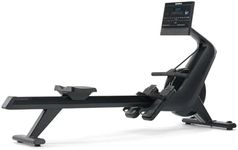
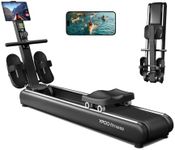
Buying Guide for the Best Rowing Machine
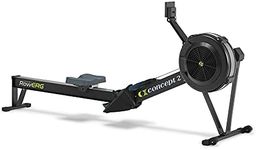
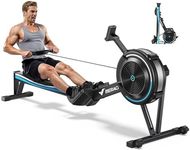
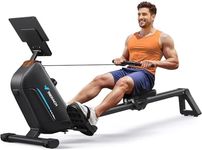
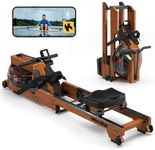
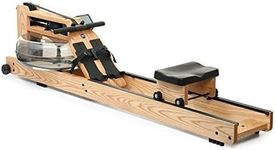
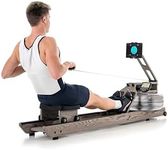
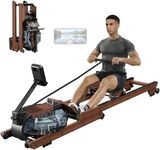
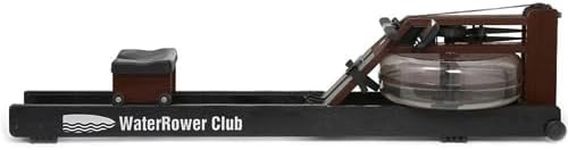
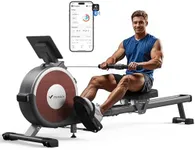
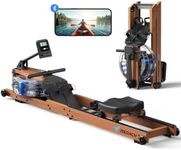
Choosing the right rowing machine can significantly enhance your fitness routine by providing a full-body workout that improves cardiovascular health, builds strength, and increases endurance. When selecting a rowing machine, it's important to consider various specifications that align with your fitness goals, available space, and personal preferences. Understanding these key features will help you make an informed decision and ensure that the machine you choose is the best fit for your needs.Resistance TypeThe resistance type in a rowing machine determines how the machine simulates the feel of rowing on water. There are four main types: air, magnetic, water, and hydraulic. Air resistance offers a smooth, natural rowing experience and increases with your rowing intensity, making it ideal for those seeking a realistic rowing feel. Magnetic resistance is quieter and allows for adjustable resistance levels, suitable for those who prefer a quieter workout environment. Water resistance provides a very authentic rowing experience, as the resistance is created by paddles moving through water, perfect for those who want to mimic outdoor rowing. Hydraulic resistance is compact and often more affordable, making it a good choice for those with limited space or who are new to rowing. Consider your workout environment and preference for realism when choosing the resistance type.
Size and StorageThe size and storage options of a rowing machine are crucial, especially if you have limited space. Rowing machines can vary significantly in size, with some models being foldable or having wheels for easy storage. If you have a dedicated workout space, a larger, non-foldable model might be suitable. However, if space is a concern, look for a compact or foldable model that can be easily stored away when not in use. Measure your available space and consider how often you'll need to move or store the machine to find the best fit for your home.
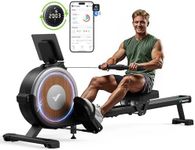
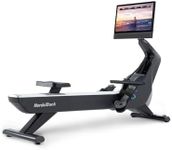
Monitor and DisplayThe monitor and display on a rowing machine provide feedback on your workout, such as time, distance, stroke rate, and calories burned. A basic monitor might only show a few metrics, while more advanced models offer detailed data and connectivity options like Bluetooth or app integration. If you're a beginner, a simple monitor might suffice, but if you're looking to track your progress closely or integrate with fitness apps, consider a machine with a more advanced display. Think about how much data you want to track and how you plan to use it to guide your choice.
Weight CapacityThe weight capacity of a rowing machine indicates the maximum user weight it can safely support. This is important for ensuring the machine's durability and your safety during workouts. Most machines have a weight capacity ranging from 250 to 500 pounds. Choose a machine with a weight capacity that comfortably exceeds your current weight to ensure stability and longevity. If multiple people will be using the machine, consider the heaviest user when making your decision.
Build Quality and ComfortThe build quality and comfort of a rowing machine affect your overall workout experience. Look for a machine with a sturdy frame, smooth seat movement, and comfortable handle grips. The seat should be cushioned and ergonomically designed to prevent discomfort during longer sessions. High-quality materials and construction will ensure the machine's durability and provide a more enjoyable workout. Test the machine if possible, or read reviews to gauge the comfort level and build quality before making a purchase.