Buying Guide for the Best Satellite Finders
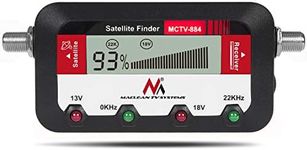
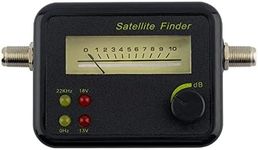
Choosing the right satellite finder can be a bit overwhelming, but with the right knowledge, you can make an informed decision that suits your needs. Satellite finders are essential tools for aligning your satellite dish to receive the best possible signal. They help you locate the satellite in the sky and ensure that your dish is pointed in the right direction. Here are some key specifications to consider when selecting a satellite finder and how to navigate them to find the best fit for you.Signal Strength MeterThe signal strength meter is a crucial feature of a satellite finder as it indicates the strength of the satellite signal. This helps you fine-tune the alignment of your dish for the best reception. Signal strength meters can be analog or digital. Analog meters are simpler and usually cheaper, but digital meters provide more precise readings and often include additional features like signal quality indicators. If you need high accuracy and additional information about the signal, a digital meter is the better choice.
Frequency RangeThe frequency range of a satellite finder determines the types of signals it can detect. Satellite signals are transmitted over various frequency bands, such as C-band, Ku-band, and Ka-band. It's important to choose a satellite finder that supports the frequency range of the satellites you intend to receive. If you are unsure, look for a model that covers a wide range of frequencies to ensure compatibility with most satellites.
CompatibilityCompatibility refers to whether the satellite finder works with your specific satellite dish and receiver. Some satellite finders are designed to work with specific brands or models, while others are more universal. Check the specifications to ensure that the satellite finder you choose is compatible with your existing equipment. If you have a unique setup, you may need to look for a more specialized model.
Ease of UseEase of use is an important consideration, especially if you are not very experienced with satellite equipment. Look for features like clear displays, intuitive controls, and user-friendly interfaces. Some satellite finders come with built-in guides or step-by-step instructions to help you through the alignment process. If you are a beginner, prioritize models that are known for their simplicity and ease of use.
Power SourceSatellite finders can be powered in different ways, such as through batteries, an external power source, or directly from the satellite receiver. Battery-powered models offer portability and convenience, especially if you need to use the finder in different locations. However, they require regular battery replacements. Models that draw power from the receiver are more convenient for stationary setups but may limit mobility. Choose a power source that fits your usage scenario.
Additional FeaturesSome satellite finders come with additional features that can enhance your experience. These may include built-in compasses, audible tone indicators, backlit displays for low-light conditions, and memory functions to store satellite positions. While these features are not essential, they can make the alignment process easier and more efficient. Consider which additional features would be beneficial for your specific needs and preferences.