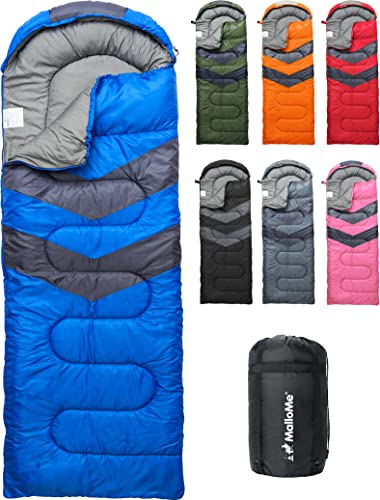
Buying Guide for the Best Sleeping Bags
Choosing the right sleeping bag is crucial for a comfortable and restful night's sleep, especially when you're out in the great outdoors. The right sleeping bag will keep you warm, dry, and comfortable, allowing you to enjoy your camping or hiking experience to the fullest. When selecting a sleeping bag, consider the environment you'll be in, the temperatures you expect, and your personal comfort preferences. Understanding the key specifications will help you make an informed decision that best suits your needs.Temperature RatingThe temperature rating of a sleeping bag indicates the lowest temperature at which the bag will keep the average sleeper warm. This is important because it helps you choose a bag that will keep you comfortable in the conditions you expect to encounter. Temperature ratings are usually divided into three categories: summer (above 35°F or 2°C), three-season (10°F to 35°F or -12°C to 2°C), and winter (below 10°F or -12°C). Choose a temperature rating based on the coldest conditions you expect to face. If you tend to sleep cold, consider selecting a bag with a lower temperature rating for added warmth.
Insulation TypeInsulation in a sleeping bag is what keeps you warm by trapping heat. There are two main types: down and synthetic. Down insulation is lightweight, compressible, and offers excellent warmth-to-weight ratio, making it ideal for backpacking. However, it loses insulating power when wet. Synthetic insulation is bulkier and heavier but retains warmth even when damp and dries faster, making it a good choice for wet conditions. Consider your typical camping environment and whether weight or moisture resistance is more important to you when choosing insulation type.
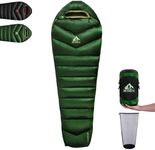
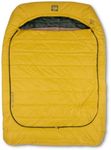
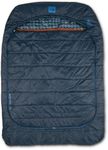
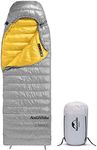
ShapeSleeping bags come in various shapes, including rectangular, semi-rectangular, and mummy. Rectangular bags offer more room to move and are great for comfort but are less efficient at retaining heat. Mummy bags are snug and tapered, providing better heat retention and are lighter, making them suitable for cold weather and backpacking. Semi-rectangular bags offer a compromise between the two. Choose a shape based on your comfort preference and the level of warmth you need. If you prioritize warmth and weight, a mummy bag might be best, while a rectangular bag is better for comfort and space.
WeightThe weight of a sleeping bag is a crucial factor, especially if you plan to carry it on long hikes or backpacking trips. Lighter bags are easier to carry but may offer less warmth or durability. Sleeping bags can range from ultra-light (under 2 pounds) to heavier options (over 4 pounds). Consider how much weight you are willing to carry and balance it with the warmth and comfort you need. For backpacking, aim for a lighter bag, while for car camping, weight may be less of a concern.
Packed SizePacked size refers to how small a sleeping bag can be compressed for storage and transport. This is important for saving space in your backpack or vehicle. Smaller packed sizes are ideal for backpacking, where space is limited. Sleeping bags with down insulation typically pack smaller than synthetic ones. Consider how much space you have available and how important compactness is for your travel plans. If space is at a premium, prioritize a sleeping bag with a smaller packed size.
Shell MaterialThe shell material of a sleeping bag affects its durability, water resistance, and breathability. Common materials include nylon and polyester, often treated with a durable water repellent (DWR) finish to resist moisture. A more durable shell is beneficial for rough conditions, while a breathable one is better for warmer climates. Consider the conditions you'll be using the sleeping bag in and whether you need more durability or breathability. If you expect wet conditions, look for a bag with a water-resistant shell.