Buying Guide for the Best Torque Screwdrivers
When selecting a torque screwdriver, it's important to consider the specific needs of your tasks. Torque screwdrivers are essential tools for ensuring that screws are tightened to the correct tension, which is crucial in preventing damage to components and ensuring safety and reliability in assemblies. Understanding the key specifications will help you choose the right tool for your applications, whether you're working in electronics, automotive, or general maintenance.Torque RangeThe torque range of a screwdriver indicates the minimum and maximum torque it can apply. This is important because different applications require different levels of torque. For delicate electronics, a lower torque range is necessary to avoid damaging components, while automotive applications might require a higher range. When choosing a torque range, consider the types of projects you typically work on. If you work on a variety of projects, a screwdriver with a broad torque range might be more versatile.
AccuracyAccuracy refers to how precisely the torque screwdriver can apply the specified torque. This is crucial for ensuring that screws are tightened to the exact specifications required for safety and functionality. Accuracy is usually expressed as a percentage, such as ±3%. Higher accuracy is important in precision applications like electronics or aerospace. If your work requires high precision, opt for a screwdriver with a higher accuracy rating.
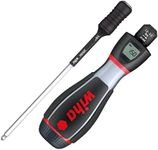
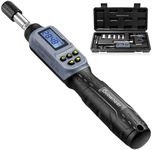
Scale TypeThe scale type of a torque screwdriver can be either digital or analog. Digital scales provide a clear, easy-to-read display and often include additional features like memory settings. Analog scales, on the other hand, are typically more durable and do not require batteries. Your choice between digital and analog should depend on your preference for ease of use versus durability and simplicity. If you prefer modern features and ease of reading, a digital scale might be more suitable.
Drive TypeDrive type refers to the mechanism by which the torque is applied, such as a click, cam-over, or break-over mechanism. Click-type screwdrivers provide an audible click when the set torque is reached, which is useful for quick and repetitive tasks. Cam-over types prevent over-tightening by slipping once the torque is reached, ideal for delicate applications. Break-over types offer a physical indication by bending slightly. Choose a drive type based on the nature of your work and your preference for feedback.
ErgonomicsErgonomics refers to how comfortable and easy the torque screwdriver is to use. This includes the handle design, weight, and balance of the tool. Good ergonomics are important for reducing fatigue during extended use and improving precision. If you frequently use the tool for long periods, look for a model with a comfortable grip and balanced weight distribution. Testing the tool in hand, if possible, can help determine if it feels right for you.