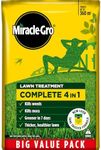
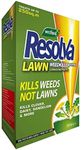
Buying Guide for the Best Weed Killer That Does Not Kill Grass
Choosing the right weed killer that does not harm your grass can be a bit tricky, but with the right knowledge, you can make an informed decision. The key is to find a product that targets weeds specifically without affecting the grass. This involves understanding the active ingredients, the type of weeds you are dealing with, and the application method. By focusing on these aspects, you can maintain a healthy lawn while effectively managing unwanted weeds.Active IngredientsActive ingredients are the chemicals in the weed killer that target and kill weeds. It's important to choose a product with active ingredients that are selective, meaning they target broadleaf weeds without harming grass. Common selective herbicides include 2,4-D, dicamba, and MCPP. If your lawn is primarily grass, look for these ingredients to ensure the product will not damage your lawn. Understanding the specific weeds you are dealing with can also guide you in selecting the right active ingredient.
Type of WeedsIdentifying the type of weeds in your lawn is crucial because different weed killers are formulated to target specific types of weeds. Broadleaf weeds, such as dandelions and clover, are common targets for selective herbicides. If you have grassy weeds, like crabgrass, you may need a different approach, as these can be more challenging to control without affecting your lawn. Knowing the weeds you are dealing with will help you choose a product that is effective for your specific situation.
Application MethodThe method of application can significantly impact the effectiveness of a weed killer. Options include liquid sprays, granules, and ready-to-use formulas. Liquid sprays are often more precise and can be applied directly to the weeds, minimizing contact with grass. Granules are spread over the lawn and can be effective for larger areas. Consider the size of your lawn and the extent of the weed problem when choosing an application method. For spot treatment, a spray might be more suitable, while granules can be better for widespread issues.
Timing of ApplicationThe timing of when you apply weed killer can affect its success. Most weed killers are more effective when applied during the growing season when weeds are actively growing. Early spring and fall are typically the best times for application. Applying during these times ensures that the weeds absorb the herbicide more effectively. Consider the growth cycle of the weeds in your lawn to determine the best time for application, ensuring maximum effectiveness without harming your grass.
Safety and Environmental ImpactSafety for both humans and pets, as well as the environmental impact, are important considerations when choosing a weed killer. Look for products that are labeled as safe for use around children and pets if this is a concern for you. Additionally, consider the environmental impact of the product. Some weed killers are designed to break down quickly in the environment, reducing their impact. If sustainability is important to you, look for eco-friendly options that are effective yet gentle on the environment.