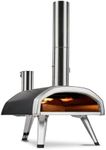
Buying Guide for the Best Wood Fired Pizza Oven
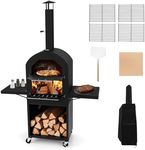
Choosing the right wood-fired pizza oven can greatly enhance your outdoor cooking experience, allowing you to create delicious, authentic pizzas with that unique smoky flavor. When selecting a wood-fired pizza oven, it's important to consider several key specifications that will influence the oven's performance, ease of use, and suitability for your specific needs. Understanding these specifications will help you make an informed decision and ensure that you choose an oven that fits your cooking style and space.Size and CapacityThe size and capacity of a wood-fired pizza oven determine how many pizzas you can cook at once and the size of those pizzas. This is important because it affects how quickly you can serve food, especially if you're hosting gatherings. Ovens come in various sizes, from small portable models to large, permanent installations. If you plan to cook for a small family, a compact oven might suffice. However, for larger gatherings, consider a bigger oven that can accommodate multiple pizzas simultaneously. Think about your typical cooking needs and space availability when choosing the size.
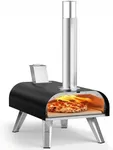
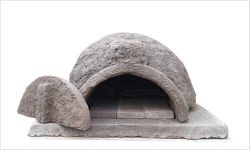
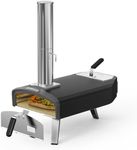
Material and ConstructionThe material and construction of a wood-fired pizza oven affect its heat retention, durability, and overall performance. Common materials include stainless steel, brick, and clay. Stainless steel ovens are lightweight and heat up quickly, making them ideal for portability. Brick and clay ovens, on the other hand, offer excellent heat retention and are great for achieving high temperatures necessary for authentic pizza cooking. Consider how often you plan to use the oven and whether you need it to be portable or stationary. Choose a material that aligns with your cooking frequency and style.
Heat-Up TimeHeat-up time refers to how long it takes for the oven to reach the desired cooking temperature. This is crucial for planning your cooking sessions and ensuring efficiency. Some ovens heat up in as little as 15 minutes, while others may take an hour or more. If you prefer quick cooking sessions or have limited time, look for an oven with a shorter heat-up time. However, if you enjoy the process and don't mind waiting, a longer heat-up time might not be an issue. Consider your patience and schedule when evaluating this spec.
Temperature RangeThe temperature range of a wood-fired pizza oven determines the types of dishes you can cook. High temperatures are essential for traditional Neapolitan-style pizzas, which require quick cooking at around 800°F. However, a wider temperature range allows for more versatility, enabling you to cook other dishes like bread, roasts, or even desserts. If your primary goal is to make pizzas, ensure the oven can reach at least 700°F. For more diverse cooking, look for an oven with adjustable temperature settings to accommodate various recipes.
PortabilityPortability is an important factor if you plan to move your pizza oven around, whether it's for storage, taking it to different locations, or simply rearranging your outdoor space. Portable ovens are typically lighter and may have wheels or handles for easy transport. If you have a permanent outdoor kitchen setup, portability might not be a priority. However, if you enjoy camping or hosting events at different venues, a portable oven could be beneficial. Consider your lifestyle and how often you might need to move the oven when deciding on this feature.
Fuel EfficiencyFuel efficiency refers to how effectively the oven uses wood to maintain the desired temperature. This is important for both cost and environmental reasons. An efficient oven will require less wood to reach and maintain high temperatures, saving you money and reducing your carbon footprint. Look for ovens with good insulation and design features that promote efficient burning. If you plan to use the oven frequently, a more fuel-efficient model will be beneficial in the long run. Consider how often you will use the oven and your preference for sustainability when evaluating this spec.