Buying Guide for the Best Zippered Compression Socks
Choosing the right zippered compression socks can make a significant difference in your comfort and health, especially if you spend long hours on your feet or have circulation issues. Compression socks help improve blood flow, reduce swelling, and provide support to your legs. When selecting zippered compression socks, it's important to consider several key specifications to ensure you get the best fit and functionality for your needs.Compression LevelCompression level refers to the amount of pressure the socks apply to your legs, measured in millimeters of mercury (mmHg). This spec is crucial because it determines how effective the socks will be in improving circulation and reducing swelling. Compression levels typically range from mild (8-15 mmHg), moderate (15-20 mmHg), firm (20-30 mmHg), to extra firm (30-40 mmHg). Mild compression is suitable for everyday wear and minor swelling, moderate is good for travel and mild varicose veins, firm is ideal for moderate to severe varicose veins and post-surgery, and extra firm is used for severe medical conditions. Choose a compression level based on your specific needs and any medical advice you have received.
MaterialThe material of the compression socks affects comfort, durability, and breathability. Common materials include nylon, spandex, and cotton blends. Nylon and spandex provide good elasticity and durability, making them ideal for long-term use. Cotton blends offer more breathability and comfort, which can be beneficial for sensitive skin or warmer climates. Consider your personal comfort preferences and any skin sensitivities when choosing the material.
Size and FitProper size and fit are essential for the effectiveness of compression socks. They should be snug but not too tight, ensuring they provide the right amount of pressure without causing discomfort. Sizes are usually based on your shoe size, calf circumference, and sometimes ankle circumference. Measure your legs accurately and refer to the sizing chart provided by the manufacturer to find the best fit. A well-fitting pair of compression socks will stay in place and provide consistent compression throughout the day.
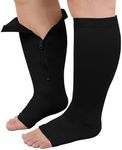
Zipper QualityThe quality of the zipper is important for ease of use and durability. A good zipper should glide smoothly, stay in place, and not irritate your skin. Look for socks with reinforced zippers and protective fabric flaps to prevent the zipper from rubbing against your skin. High-quality zippers ensure that the socks are easy to put on and take off, which is especially important for individuals with limited mobility or dexterity.
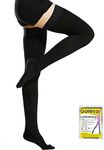
LengthCompression socks come in various lengths, including knee-high, thigh-high, and full-length. The length you choose should depend on the area of your leg that needs support. Knee-high socks are suitable for general use and mild swelling, while thigh-high and full-length socks provide more comprehensive support for severe swelling or circulation issues. Consider your specific needs and any recommendations from your healthcare provider when selecting the length.
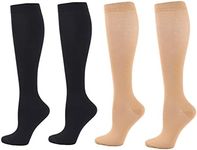
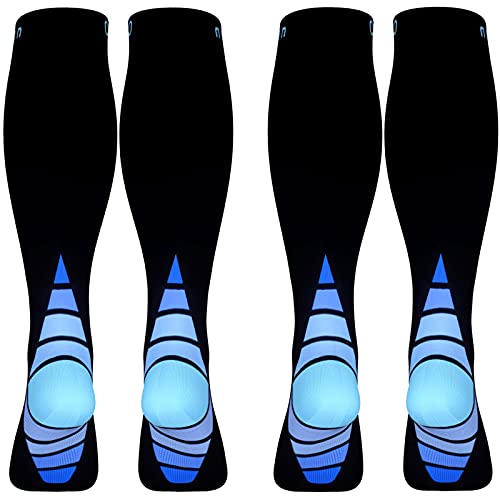
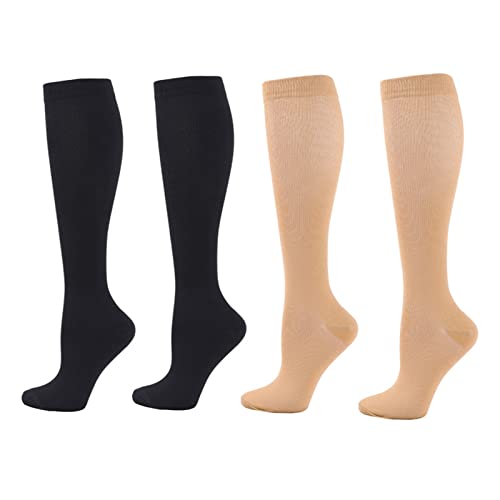
Design and ColorWhile design and color may seem like minor considerations, they can affect your willingness to wear the socks regularly. Compression socks come in various designs and colors, from plain and professional to fun and vibrant. Choose a design that you feel comfortable wearing in your daily life, whether it's for work, exercise, or casual wear. The right design can make wearing compression socks a more pleasant experience.