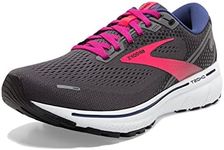
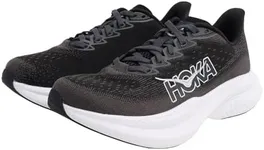
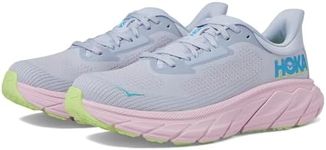
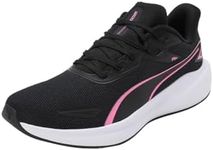
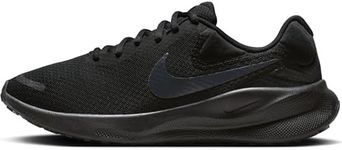
Buying Guide for the Best Ladies Running Shoes
Choosing the right pair of running shoes is crucial for comfort, performance, and injury prevention. When selecting ladies' running shoes, it's important to consider various factors that will affect your running experience. Understanding these key specifications will help you make an informed decision and find the best fit for your needs.FitThe fit of the shoe is one of the most important aspects to consider. A well-fitting shoe should have enough room in the toe box to wiggle your toes, a snug fit around the midfoot, and a secure heel. Shoes that are too tight can cause blisters and discomfort, while shoes that are too loose can lead to instability and injury. To find the right fit, try on shoes at the end of the day when your feet are slightly swollen, and wear the socks you plan to run in.
CushioningCushioning refers to the amount of padding in the shoe, which affects comfort and shock absorption. Shoes with more cushioning are ideal for long-distance running or for runners who prefer a softer feel. Less cushioned shoes are lighter and provide a more responsive feel, which can be beneficial for speed work or racing. Consider your running style, distance, and personal preference when choosing the level of cushioning.
SupportSupport in running shoes is designed to help with stability and control excessive foot motion. This is particularly important for runners with overpronation (feet roll inward) or underpronation (feet roll outward). Neutral shoes offer minimal support and are suitable for runners with a normal gait. Stability shoes provide moderate support for mild to moderate overpronation, while motion control shoes offer maximum support for severe overpronation. Understanding your pronation type can help you choose the right level of support.
Heel-to-Toe DropThe heel-to-toe drop, or simply 'drop,' is the difference in height between the heel and the forefoot of the shoe. A higher drop (8-12mm) can provide more heel cushioning and is often preferred by heel strikers. A lower drop (0-4mm) promotes a more natural running gait and is favored by midfoot or forefoot strikers. A moderate drop (4-8mm) offers a balance between the two. Consider your running form and comfort when selecting the drop.
DurabilityDurability refers to how long the shoes will last before they need to be replaced. This is influenced by the materials used in the upper, midsole, and outsole. Shoes with durable outsoles and reinforced uppers tend to last longer, especially if you run on rough terrain. However, more durable shoes can be heavier. Think about the surfaces you run on and how often you run to determine the level of durability you need.
BreathabilityBreathability is the shoe's ability to allow air to circulate, keeping your feet cool and dry. Shoes with mesh uppers are typically more breathable and are ideal for running in warm weather. Less breathable shoes may be better for colder climates or wet conditions. Consider the climate you run in and your personal comfort preferences when evaluating breathability.
WeightThe weight of the shoe can affect your running performance and fatigue levels. Lighter shoes are generally preferred for racing and speed work as they allow for quicker movements. Heavier shoes often provide more cushioning and support, which can be beneficial for long-distance running or for runners who need extra stability. Think about the type of running you do most often and choose a weight that complements your needs.